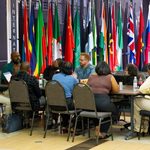


On 22 January 2026, the Human Sciences Research Council (HSRC) participated in a community engagement meeting convened by the University of Cape Town (UCT) as part of the Critical Zones Africa South East (CZaSE) project. The meeting brought together researchers and members of the Philippi Horticultural Area (PHA) community to discuss issues related to the habitability and governance of critical zones in South East Africa.
The CZaSE project is a collaborative, interdisciplinary initiative that examines the functioning, governance, and sustainability of critical zones across the region. Further details on the project are available at:
https://humanities.uct.ac.za/envhumsouth/czase
The project is implemented through a partnership involving:
- Environmental Humanities South, University of Cape Town (South Africa)
- Addis Ababa University (Ethiopia)
- University of Dar es Salaam (Tanzania)
- Lilongwe University of Agriculture and Natural Resources – LUANAR (Malawi)
- University of Zimbabwe
- Human Sciences Research Council (HSRC), South Africa
The CZaSE project addresses the following interconnected thematic areas:
- Critical Zone rapid appraisal, including the metabolism of water, nutrients, and contaminants
- Small-scale farming, with emphasis on soil and seed care and emerging climate-related gender challenges
- African environmentalism and landscape knowledge as ecological philosophy
- Contaminant legacies and environmental justice, focusing on remediation of the Critical Zone
- Ecological economics for the governance of commons within the Critical Zone
- Reducing precarity and enhancing habitability through Critical Zone–based environmental governance
The project aligns with the United Nations Sustainable Development Goals (SDGs) and contributes to the African Union’s Agenda 2063: The Africa We Want.
2. Focus of the Engagement
The engagement on 22 January 2026 specifically examined the Coastal Park Landfill Site – Basic Assessment Report. Participants critically reviewed the EIA report prepared by a private consultancy firm. Concerns were raised regarding significant scientific, methodological, and policy shortcomings within the EIA report.
3. Key Issues Identified
Discussions with affected community members and other participants highlighted the following key concerns:
- Undermining of Section 24 of the Constitution, which guarantees the right to an environment that is not harmful to health or well-being.
- Significant omissions in the Environmental Impact Assessment (EIA), particularly relating to cumulative and long-term environmental and social impacts.
- Methodological weaknesses, including inadequate data, limited local context sensitivity, and insufficient engagement with affected communities.
4. Proposed Way Forward
Participants emphasised the need for localised and context-specific solutions to waste management challenges in the PHA. Key proposals included:
- A critical review of systemic governance constraints, particularly within the Municipal Finance Management Act (MFMA), which was noted to limit the agility of local government officials in responding effectively to local waste management challenges
- Reassessment of reliance on global waste management and recycling companies that often lack an understanding of local socio-environmental conditions, potentially exacerbating existing problems
- Greater alignment of waste management strategies with constitutional obligations and the SDGs, through locally driven and inclusive approaches
- Establishment of local cooperatives to manage waste and promote a circular economy, thereby strengthening local economic development in partnership with the City of Cape Town
- Adoption of co-designed solutions, ensuring meaningful participation of local communities in planning, implementation, and governance processes
Importantly, participants highlighted the need to strengthen networks and collective advocacy to ensure that the Coastal Park Landfill Site – Basic Assessment Report and related community concerns are elevated onto the policy agenda, particularly in the context of upcoming local government elections.
Prepared by
Dr Mdleleni Lwando, Dr Konosaong Sobane, Dr Kwanele Qonono