


Imagine a young person living in one of the smaller towns surrounding South Africa’s economic centres. They have completed school, are motivated to work and are eager to contribute to society, yet struggle to secure meaningful employment because their education, skills and local opportunities are poorly aligned. Their experience is not only an individual challenge but reflects broader structural weaknesses in South Africa’s education-to-employment systems. Practical solutions to these weaknesses, including ways to support youth in their job searches, were the focus of the Cape Winelands Knowledge Sharing Festival held in Paarl earlier this year.
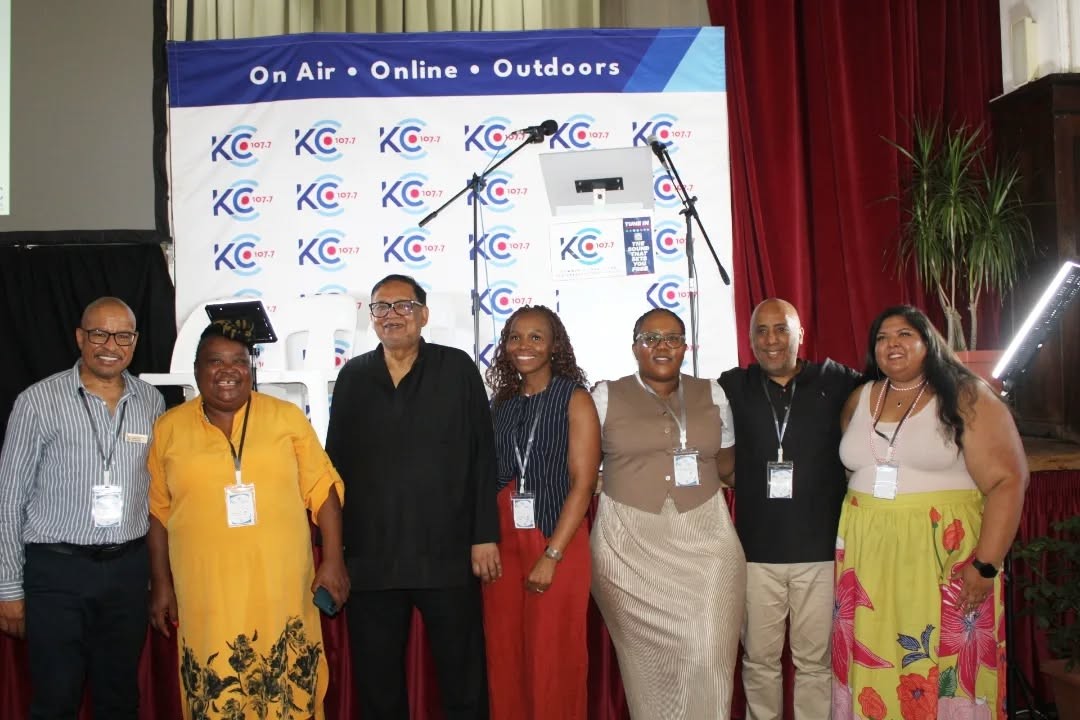
Chris van Rooyen (Department of Social Development), Dr Konosoang Sobane (HSRC), Ganief Hendricks (Deputy Minister of Social Development), Akhona Gumede (HSRC), Nonkululeko Dlamini (HSRC), Dr Harlan Cloete (Chairperson of KC Radio (107.7)) and Prof. Lynn Hendricks (Stellenbosch University)
South Africa continues to grapple with a persistent youth unemployment crisis. According to Statistics South Africa, the official unemployment rate in the 15–34 age group remains exceptionally high at 47.4%, and many of these people also fall within the discouraged work-seekers classification. The crisis is driven by a complex interplay of factors, including skills mismatches, limited work-experience opportunities, slow economic growth, and spatial inequalities that restrict access to labour markets.
Particularly concerning is the number of young people who are not in employment, education or training (NEET), a group that faces significant barriers to economic participation. In the first quarter of 2026, 37.6% of people between the ages of 15 and 24 were in this group. Graduate unemployment further illustrates the scale of the challenge, having surged from 5.8% in 2008 to 11.8% in 2023 and continued to rise. Tertiary qualifications no longer guarantee a pathway into employment, signalling a growing disconnect between education and labour market demand.
Addressing this crisis requires more than isolated interventions. It demands stronger alignment between education, skills development, employers, communities and the government, supported by evidence that identifies what works in different contexts.
Moving beyond identifying the problem
This shift from diagnosing challenges to implementing practical solutions formed the basis of discussions at the Cape Winelands Knowledge Sharing Festival, held in Paarl in March 2026. Hosted by KC Radio with the HSRC and other partners, the event brought researchers together with representatives from government, tertiary institutions, businesses and community organisations. Young people were also in attendance and actively participating, in keeping with the festival’s theme, “Unlocking youth opportunities through innovative collaborative partnerships”.
The festival reflected the HSRC’s commitment to engaged research, which places communities at the centre of knowledge generation and solution development. Rather than viewing research as an activity removed from practice, engaged research seeks to connect evidence with implementation by working alongside communities and decision-makers.
Recent HSRC research supports this approach. The paper “Hidden spatial inequalities in youth unemployment in Gauteng: need for place-based interventions” argues that tackling unemployment requires solutions tailored to local contexts and socio-economic conditions, rather than one-size-fits-all policies.
Bridging fragmented systems
While South Africa has introduced initiatives to address youth unemployment, including the Expanded Public Works Programme and the Presidential Youth Employment Intervention, an HSRC policy brief contends that many focus on short-term employment rather than sustainable career pathways.
Better coordination between education providers, employers and policymakers is clearly needed to ensure young people acquire skills that match labour market needs and emerging economic opportunities. At the festival, participants emphasised that improving coordination across sectors is as important as introducing new programmes.
“What makes the conference unique is that it gives life to the ABCG model of local governance – academia, business, community and the government working together to share ideas and lessons on how to implement sustainable youth development,” said Dr Harlan Cloete, Chairperson of KC Radio.

Engaged research in practice
The festival demonstrated how engaged research can create opportunities beyond academic knowledge sharing. Rather than focusing exclusively on presenting research findings, the programme created opportunities for dialogue between researchers, practitioners and young people. Workshops, panel discussions and case studies explored topics such as digital entrepreneurship, skills development, community media, innovation and public-private partnerships.
Presenters showcased practical initiatives already supporting youth employment, including learnership programmes, digital skills training, entrepreneurship support and community-based enterprises.
The festival also served as a forum for young people to engage directly with organisations, ask questions and establish professional relationships that may lead to future employment opportunities. Sessions on career development, networking and digital professional identities encouraged participants to strengthen their visibility on platforms like LinkedIn, and to develop skills valued by employers.
For the HSRC, facilitating these conversations forms part of its broader mandate and reflects the purpose of engaged research: moving beyond papers that sit on shelves to convene the people who can act, synthesise the evidence that should guide them, and help build the connections that make collective action possible. Dr Konosoang Sobane, a chief research specialist at the HSRC, described the approach as an example of research that actively contributes to social development.
“This is what engaged research looks like – partnership with communities and engaging society on an equal footing. It is a co-created space that generates new knowledge and empowers people.”
Evidence that informs action
One of the HSRC’s significant contributions at the festival was the soft launch of its Evidence Map of Engaged Research. This searchable online database brings together research projects from across the developing world to identify what has worked when researchers and communities collaborate. Rather than simply cataloguing projects, the map highlights patterns that can inform future policy and practice.
A key finding is that initiatives involving communities from the outset are more likely to achieve meaningful outcomes, including skills development and job opportunities. It is also apparent from the evidence that young people are often excluded from decision-making, even in programmes designed to support them.
Making this evidence publicly accessible provides policymakers, practitioners and researchers with a valuable resource for designing interventions grounded in demonstrated success rather than assumptions.
Maintaining the momentum
Among the festival’s most important achievements was its ability to foster relationships across sectors. The participants did more than exchange ideas; they began building the institutional partnerships necessary to address youth unemployment collectively. These partnerships represent an important step towards overcoming the fragmented nature of existing responses. The challenge now is to sustain the momentum by strengthening these partnerships, sharing evidence across initiatives, and expanding programmes that have demonstrated measurable impact.
A major outcome of the festival is the plan announced by Prof. Lynn Hendricks of Stellenbosch University to establish a collaborative research hub, with the HSRC set to play an active role in its development. The proposed hub will focus on bridging the gap between research and impact by equipping young people with practical research, digital and problem-solving skills, while supporting community-driven projects to open pathways to employment and local economic opportunities.
Discussions following the festival also identified several practical activities, including CV-writing workshops, career-readiness training and other initiatives designed to improve young people’s ability to present themselves more effectively to employers and access available opportunities.
As South Africa continues to confront persistent youth unemployment, initiatives that combine rigorous evidence with genuine collaboration offer an important way forward. The Cape Winelands Knowledge Sharing Festival illustrated how research can move beyond identifying problems to supporting coordinated action and helping build more inclusive and sustainable futures for young people.
Research contacts and acknowledgements
This Review article was written by Akhona Gumede, Thatohatsi Madumo, Yoliswa Sikhosana and Nonkululeko Dlamini, with input from Dr Konosoang Sobane.
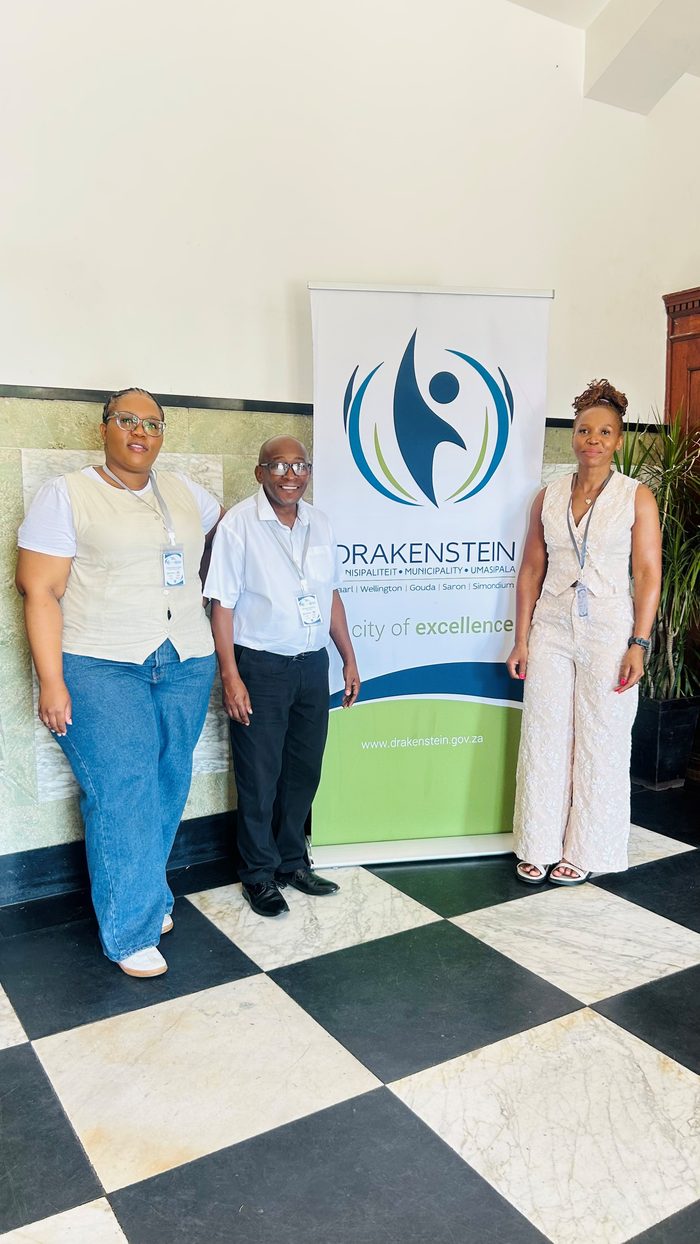
The Cape Winelands Knowledge Sharing Festival was hosted by KC Radio, the HSRC, Stellenbosch University, the Department of Social Development, LinkedIn, Amazon, Drakenstein Municipality, the Learning Trust, In2Food, the Cape Peninsula University of Technology, HortGro, the South African Council for Businesswomen, Sisterhood Cape Winelands and the Auditor-General of South Africa.
For more information about this work, please contact Akhona Gumede at engagedresearch@hsrc.ac.za.