


Self-testing and rapid diagnosis could bring healthcare closer to people who face barriers to clinic-based services. But do people trust these tools to deliver accurate and safe results? A multi-country study involving the HSRC shows that many people believe self-testing with rapid diagnostic tests, especially when supported by a mobile app, could improve privacy, convenience and timely diagnosis in low-resource settings.
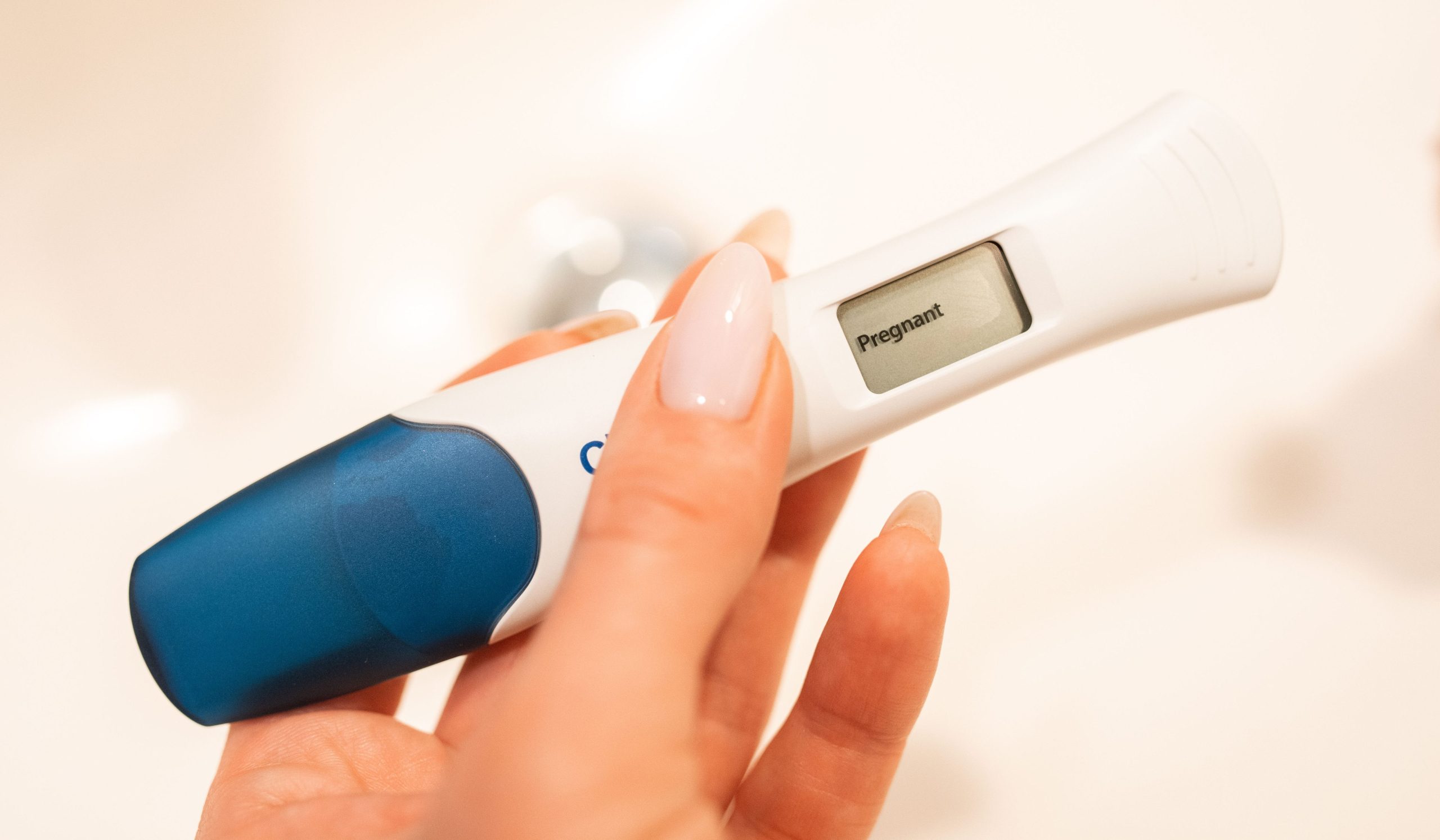
Photo: RDNE Stock project, Pexels
Rapid diagnostic tests are simple medical tests, such as pregnancy tests, that people can take at home. They can be self-administered independently or with guidance from healthcare providers to detect certain conditions quickly. Research has shown that self-testing can reduce barriers to care seeking; lessen stigma and costs; support earlier diagnosis and treatment; and strengthen home-based self-care.
The potential of self-testing is relevant in South Africa and other African countries. Alongside high burdens of communicable diseases, such as HIV and tuberculosis, many communities are also facing rising rates of non-communicable diseases, including diabetes and hypertension.
In South Africa, self-testing for HIV with rapid diagnostic tests has become an important part of service delivery. Data suggest that self-testing for HIV has helped reach groups often missed by conventional health services.
Between 2017 and 2020, more than one million self-test kits were distributed through the STAR programme, with most going to men and a sizeable share to young people, including many who had never tested before or had not tested in over a year.
A recent multi-country study involving HSRC researchers examined the acceptability of self-testing using rapid diagnostic tests for a range of conditions. The study explored unassisted self-testing and testing supported by a mobile phone app. Participants in the study included community members, healthcare providers, and community and public health leaders in Kenya, South Africa and Zambia.
The researchers assessed how acceptable these approaches were across different user groups in a paper published in the Journal of Medical Internet Research in November 2025.
The app
The mobile phone app, HealthPulse TestNow, was designed to support self-testing by guiding users step by step, assisting with result interpretation, storing and sharing data, and linking users to follow-up care and health information. In the study, the app was shown to participants as a demonstration tool to assess its potential acceptability. Before questions about the app, participants were taken through step-by-step instructions for self-testing and shown examples of data storage and dashboards.
Data collection
From 15 May to 24 August 2023, data were collected in rural and urban sites in Migori County (Kenya), Umsunduzi Sub-District in KwaZulu-Natal (South Africa) and Luanshya District (Zambia). Participants totalled 178, including 24 community and public health leaders, 41 healthcare providers and 113 community members. Researchers used key informant interviews, in-depth interviews and focus group discussions.
Data collection was carried out by country teams, including qualitative research assistants from the HSRC in South Africa, and the results were analysed based on the Theoretical Framework of Acceptability (TFA).
What is acceptability according to the TFA?
The TFA defines acceptability as how people perceive an intervention and whether they consider it appropriate, manageable and worthwhile. The framework includes several dimensions:
- Affective attitude: how people feel about the intervention
- Burden: how much effort is needed to take part
- Ethicality: whether it fits with people’s values
- Intervention coherence: whether people understand how it works
- Opportunity cost: what people may have to give up to use it
- Perceived effectiveness: whether people think it will work
- Self-efficacy: whether people feel confident they can do it
- Perceived benefits: the advantages people believe they gain from it (Although the study identified perceived benefits as an additional acceptability construct, these benefits were woven through the findings).
Key findings
Affective attitude
Overall, across the three countries, participants expressed positive feelings about self-testing. Some described self-testing as a “very good thing in the community” that “would be wow” for improving health. They also admired the “beauty” of self-testing and said the app could bring healthcare “closer”. In Kenya and Zambia, app-assisted self-testing was associated with “a modern world” and “digital life”. However, some participants anticipated resistance to new technologies. Racial sensitivities were cited in South Africa, with one participant worried that some might dismiss self-testing as “white people business”.
Burden
Participants generally saw self-testing as “simpler, shorter and easier” and felt that, with the right support, using the app could be “a walk in the park”. They said written and visual guidance could help people through the process, especially “if guided by the guidelines” or “properly educated”. However, they also recognised practical challenges, including the cost and availability of tests, access to data and electricity, connectivity issues, and the need for training and infrastructure for wider rollout.
Ethicality
Many participants felt that self-testing supports privacy, autonomy and confidentiality, allowing people to feel “free”, “safe”, and “not scared” that their “secret” would be exposed. Some described it as a “game changer” because it shifted testing from “clinician-driven” to “individual-driven”. At the same time, they also raised ethical concerns, including misuse of tests, poor disposal, data breaches, unequal access, and the emotional impact of receiving an upsetting result while alone.
Intervention coherence
Participants generally understood the value of self-testing and were already familiar with some forms of rapid testing, particularly for HIV and malaria. They understood that testing could help people decide when and where to seek care, but were less familiar with how the app itself would function. The study suggests that successful uptake would require shared community understanding, leading to greater “openness” and “cooperation”.
Opportunity cost
Participants believed self-testing could save time and improve convenience, potentially reducing the need for clinic visits. Community members especially liked the idea of getting medicine locally or receiving home visits, which they believed would free up time for other activities. However, they also noted trade-offs, including the cost of rapid diagnostic tests and apps, disruption to established practices, and concerns among providers about possible job security.
Perceived effectiveness
Participants saw self-testing as an effective way to improve access to healthcare, enable earlier diagnosis and treatment and ease pressure on overburdened facilities. They believed the app could make self-testing even more useful by improving guidance, follow-up and data sharing, with one participant saying it could place health services “from the palm of my hands”. Others said linking the app to hospitals could help people get “services faster”. Although they worried about false readings and human error, most still felt that the benefits outweighed the risks.
Self-efficacy
Participants were generally confident that people could self-test, especially if “everything will be guided through the app”. They felt that training, practice and support from healthcare workers or the app itself could build confidence and reduce mistakes. However, they also acknowledged that people with limited education, digital literacy or difficult test results might still need reassurance and support from family members or providers.
What do the findings mean?
This research adds to a growing body of knowledge on the acceptability of self-testing integrated with mobile phone–based apps. The study showed that self-testing, both independently and with app support, is widely seen as acceptable in low-resource settings where health systems are under pressure and many people still face barriers to care. Across Kenya, South Africa and Zambia, participants believed self-testing could improve privacy, convenience, autonomy and timely access to diagnosis and treatment, while also reducing strain on clinics.
The study also highlighted the challenges that must be addressed for self-testing to work equitably, including digital exclusion, infrastructure gaps, data privacy, emotional support and integration into existing health systems. The researchers recommended that self-testing be implemented through context-specific, equity-focused approaches. This includes user-friendly design, local language support, offline functionality and accessibility for people with low literacy or limited digital access.
The authors also recommended education, training, low-cost access, secure data systems and clear linkage to care, so that self-testing can be scaled up in a way that is ethical, effective and accessible to underserved communities.
Research contacts and acknowledgements
This Review article was written by HSRC science writer Jessie-Lee Smith with inputs from Dr Hilton Humphries (senior research specialist) in the HSRC’s Public Health, Societies and Belonging Division. It was based on the paper Perspectives on App-Assisted Self-Testing Using Rapid Diagnostic Tests Among Community Members, Health Care Providers, and Public Health Leaders in Kenya, South Africa, and Zambia.
For more information about this work, contact Dr Hilton Humphries at hhumphries@hsrc.ac.za.
The research team included Anjali Sharma and Chanda Mwamba from the Centre for Infectious Disease Research in Zambia; Patricia Maritim from the University of Zambia School of Public Health; Dr Hilton Humphries, Lenika Naiken, Dr Thandanani Madonsela, Ayanda Tshazi and Dr Alastair van Heerden from the Human Sciences Research Council; Derek Pollard and Dr Anna Winters from Akros; Dr Gabrielle O’Malley, Meagan Bemer, Amber Lauff, Jennifer Faith Morton and Dr Paul K Drain from the University of Washington; Shawna Cooper and Dr Dino Rech from Audere; and Dr Elizabeth Anne Bukusi, Dr Zachary Kwena and Norton Sang from the Kenya Medical Research Institute.