

In short
- Two major HSRC projects are exploring how young people build livelihoods, wellbeing and agency in rapidly changing social and economic environments.
- The Future Fit Young Africa project examines how youth develop and use skills across five African countries and includes an AI-powered career guidance tool.
- The u’GOOD programme investigates youth wellbeing through relationships, focusing on livelihoods, mental health, digitalisation and climate change.
- Both projects position young people as co-creators of knowledge and aim to influence policy, education and youth development practice.
As South Africa marks 50 years since the 16 June 1976 uprising, the HSRC is advancing new youth-focused research that seeks to reflect on both continuity and change in youth activism. Two major projects on future skills and relational wellbeing place young people at the centre of shaping their own futures in a rapidly shifting world.
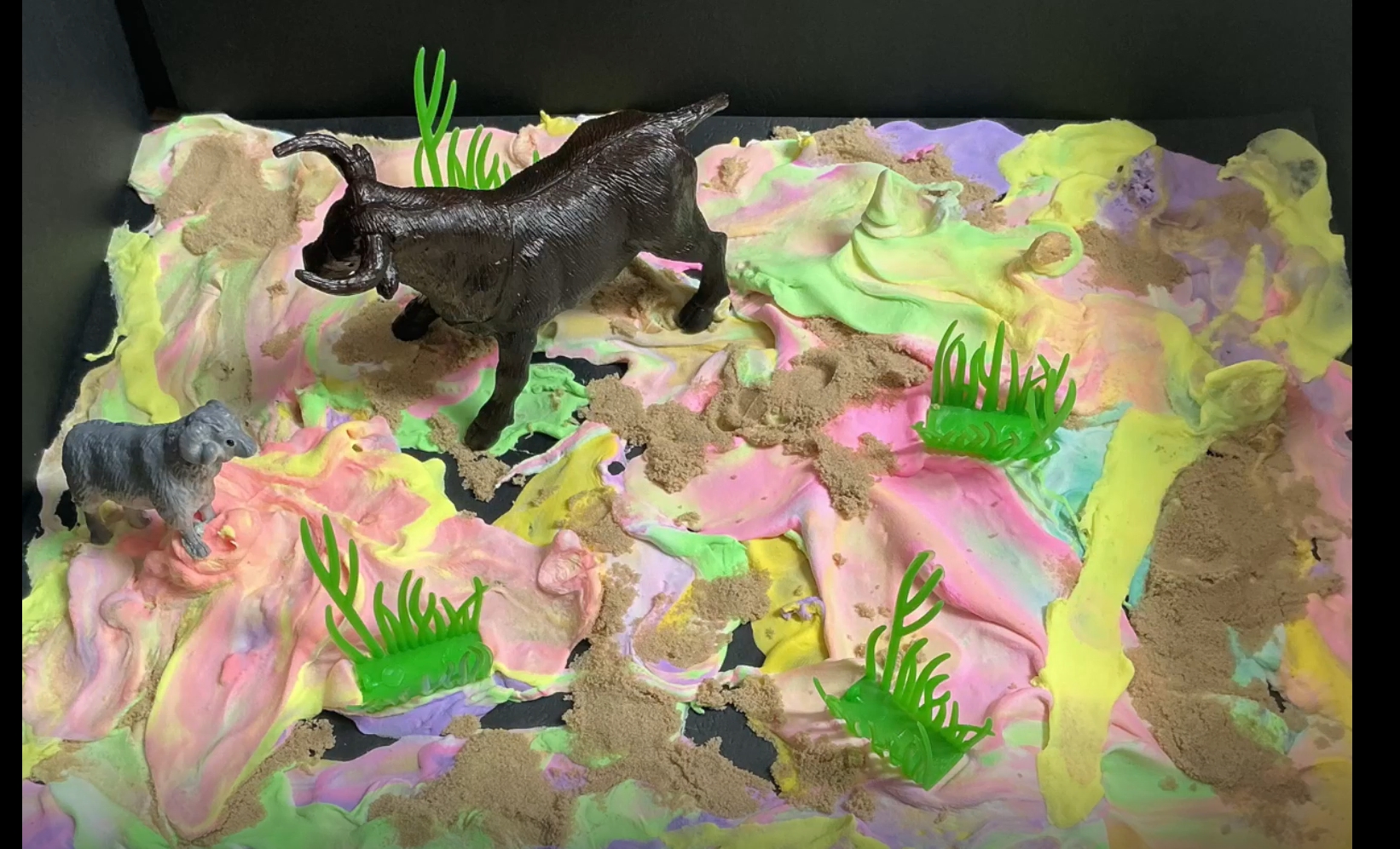
A young Ethiopian illustrated a life-changing moment when he overcame fear and discovered a passion for solar installation work.
The 1976 Soweto Uprising symbolised a generation’s refusal to accept limits imposed on their future. Today’s youth similarly resist constraints, but often in less visible, more fragmented ways. Rather than mass mobilisation alone, contemporary youth activism frequently manifests through navigating informal economies, digital spaces, and everyday strategies of survival, innovation, and meaning-making.
It is in these spaces that new forms of agency and new challenges emerge. Against this backdrop, the HSRC is currently leading two large-scale, multi-year research initiatives that place youth at the centre, not merely as subjects of study, but as co-creators of knowledge and pathways to change.
Project one: Rethinking youth futures and skills in Africa
The Future Fit Young Africa (FFYA) project addresses one of the most pressing challenges facing youth today: how to secure dignified and meaningful livelihoods in rapidly changing economies.
Across the continent, high levels of unemployment, informal work, and educational discontinuities continue to shape young people’s trajectories. Fewer than half of young people complete secondary education in many contexts, and only a small minority access tertiary education. These realities fundamentally shape the possibilities available to youth.
Much existing research has focused on ‘hard skills’ such as technical competencies, or ‘soft skills’ such as creativity and adaptability. While important, this binary overlooks the broader systems within which skills are developed and applied.
Starting with a range of critical reviews on dominant understandings of skills and work, FFYA argues that young people develop and use skills within real social and economic conditions. The project explores the skills young people need and how their environments influence opportunities to use them.
Through innovative methods, the project captures experiences and contexts of youth across five African countries: South Africa, Kenya, Ghana, Ethiopia, and Senegal. Digital stories in which young people reflect on turning points – when they realised they had skills that could be translated into livelihoods – offer powerful insights into how young people navigate complex and often non-linear pathways into work.
The stories reveal aspirations that extend beyond formal employment, encompassing entrepreneurship, creative industries, and community-based livelihoods. In doing so, they challenge narrow definitions of success and highlight the importance of dignity, purpose, and sustainability in their visions of the future.
Complementing these narratives are case studies of educational and training institutions which explore how skills are taught, learned, and applied in different contexts. These case studies examine emerging sectors such as the circular and blue economies (the former focuses on regenerative systems of production to eliminate waste and the latter on sustainable use of ocean and coastal resources to drive growth while preserving the long-term health of marine ecosystems), as well as evolving occupations shaped by technological change.
One of the project’s most innovative outputs will be an AI-driven career guidance chatbot (a software application designed to simulate human conversation), currently in a testing phase. Designed to reflect the realities of African labour markets, this tool aims to provide accessible, context-specific guidance to young people. It moves beyond defining labour market demand in often outdated job and occupational classifications to a more dynamic understanding of what types of work, jobs, skills and qualification demands and opportunities exist across different African countries. This enables youth to imagine and navigate diverse pathways.
Project two: Understanding youth wellbeing through relationships
The second initiative, u’GOOD: Why wellbeing is relational, addresses a broader question: What does it mean for young people to live and feel well in complex, rapidly changing environments?
Traditional approaches to wellbeing have often focused on individual factors such as income or psychological health. The u’GOOD programme introduces a different perspective: relational wellbeing. This approach argues that wellbeing depends not only on individual circumstances, but also on relationships, communities and social systems.
For young people in the Global South, these relationships are particularly significant. Economic insecurity, social inequality, and environmental challenges intersect to shape opportunities and constraints in powerful ways.
The u’GOOD programme focuses on youth aged 10–24 in urban and periurban environments across multiple countries in the Global South. In Africa, these include South Africa, Tanzania and Ghana. The programme explores four key thematic areas: livelihoods, mental health, digitalisation, and climate change. Each of these areas reflects a major dimension of contemporary youth experience, and each is examined through the lens of relationality.
For livelihoods, the research investigates how young people assemble income and meaning in contexts where stable employment is often unavailable. Rather than viewing this as a deficit, researchers explore the resourcefulness and innovation that young people bring to these challenges.
In relation to mental health, it moves beyond individual diagnoses to consider the broader social and environmental factors that shape wellbeing. This includes examining how relationships within families, communities, and institutions can either support or undermine mental health.
Digitalisation is another critical area, particularly given the uneven access to technology in many parts of the Global South. The research explores how digital inequalities affect young people’s opportunities, identities, and relationships, as well as how youth navigate and reshape digital spaces.
Finally, the programme addresses climate change, recognising that young people are both disproportionately affected by environmental challenges and are at the forefront of climate activism. By situating climate issues within a broader framework of wellbeing, the research highlights the interconnected nature of environmental, social, and economic challenges.
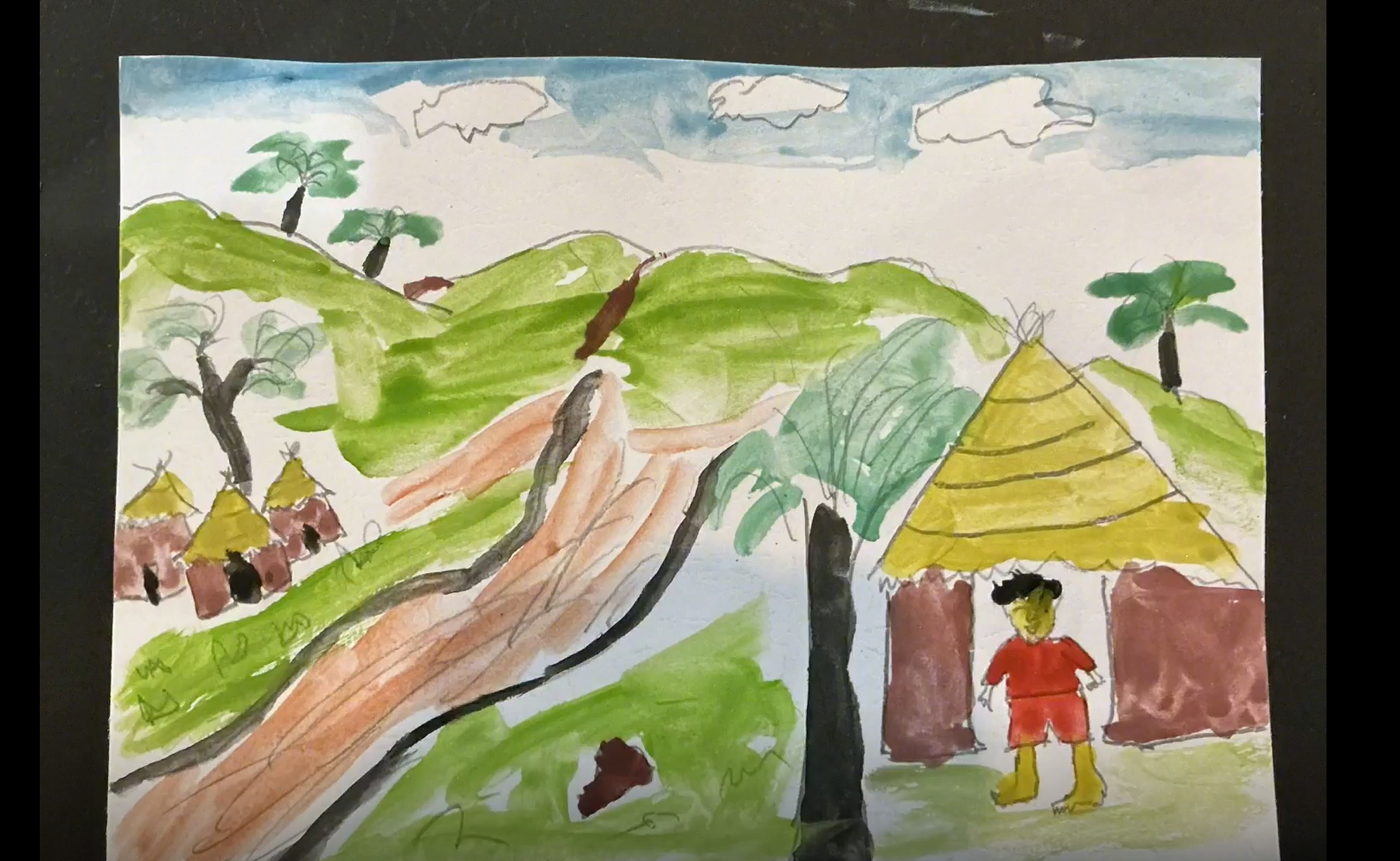
A young person in Ethiopia illustrated the rural conditions he grew up in, which inspired dreams of filmmaking and new opportunities.
Youth as co-creators of knowledge
A key feature shared by both projects is their commitment to participatory and emancipatory research that seeks meaningful collaboration with young people as part of the research process and dissemination. This approach reflects a broader shift in how youth research is conducted and aligns with the legacy of 1976, where young people asserted their right to shape their own futures. Today this assertion takes the form of co-creation and collaboration, challenging traditional hierarchies of knowledge production.
From knowledge to impact
Both projects are designed with a strong focus on impact. FFYA aims to influence education and training systems, career guidance practices, and policy frameworks related to youth employment, with its outputs intended to be accessible and actionable for a wide range of stakeholders. Similarly, through more nuanced understanding of how wellbeing is shaped, the u’GOOD programme seeks to offer insights that can support more effective and holistic approaches to youth development.
Both projects recognise that impact is not immediate or linear; instead, they emphasise ongoing engagement with stakeholders, including policymakers, educators, and communities. Furthermore, both are multi-year and combine cross-country comparative work with grounded, local studies to capture diverse experiences.
Looking ahead: continuity and change in youth activism
Reflecting on these projects in the context of the 1976 uprising highlights that this fundamental drive for dignity, opportunity, and justice remains unchanged. What has evolved are the forms and spaces through which this drive is expressed. Today’s youth navigate a world that is more interconnected, but also more complex. Activism is no longer confined to the streets – it is embedded in everyday practices, from creating livelihoods to building communities and shaping digital spaces.
Understanding youth experiences, aspirations, and challenges is essential for building a more inclusive and sustainable future. Through innovative, participatory, and impactful research, the HSRC is contributing to this understanding. In doing so, it continues a legacy of engaging with youth not only as beneficiaries of change, but as its architects. The story of youth activism, then and now, is one of resilience, creativity, and determination. These new research projects ensure that this story continues to be told and shaped by young people themselves.
Research contacts and acknowledgements
This Review article was written by Dr Angelique Wildschut, with inputs from Prof. Sharlene Swartz. It was based on the project proposal and/or concept note for each project. For more information about this work, please contact Prof. Sharlene Swartz at sswartz@hsrc.ac.za
The HSRC research team for u’GOOD includes Dr Candice Groenewald, Dr Sindi-Leigh McBride, Dr Yoliswa Ntsepe and Hayley Abrahams.
These studies are funded by the Mastercard Foundation (Youth Futures) and the Fondation Botnar (u’GOOD).