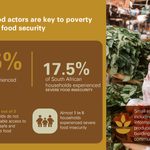


The HSRC’s Poverty and Inequality event set for 26 June 2024 will be co-hosted with Tshintsha Amakhaya (TA), a civil society alliance, to launch the 2023 Agrarian Rural Household Economy (ARHE) report. The venue for the launch is the HSRC Cape Town offices with a livestream link that will allow registered individuals to participate online.
A key finding that speaks to the HSRC’s Poverty and Inequality agenda turns on average monthly income levels in the ARHE survey. The study found that the bottom 40% of household incomes are below South Africa’s food poverty line. Worsening gender inequalities is a standout message of this report. Incomes of the bottom 60% of surveyed households show that female headed families are much poorer than those of their male-headed counterparts. Income gaps are heavily gendered and point to longstanding inequities that frustrate women’s socioeconomic participation. Likewise, asset inequality, particularly the total hectares of farmland accessed and used, highlight the disadvantages that women suffer in the agrarian sector.

Livelihood strategies of specific agrarian social categories, ranging from resource-poor small farmers to farmworkers, accentuate these gender disparities. The 2023 ARHE report probes and details the forces that account for these inequalities and place the latest South African storylines into a global south context.
The Climate Land and Agrofood Systems (CLAS) team in the Equitable Education and Economies (EEE) research division conducted this research for the TA alliance. For more information on the 2023 ARHE study, please visit the following website: https://hsrc.ac.za/news/latest-news/landmark-study-kicks-off-investigating-how-south-african-agrarian-households-work-and-live/